Skip to content
Discovering Moroccan Spices
Gastronomy

Discovering Moroccan Spices

June 20263 min read
Good to know

Morocco’s Fragrant Treasures

In Morocco, spices tell a story that goes far beyond cuisine. They evoke ancient trade routes, family traditions, and a true way of life passed down through generations. Throughout the medinas, their aromas accompany every moment of the day: cumin drifts through the alleyways in the early morning, cinnamon perfumes traditional pastries, while saffron slowly enriches some of the country’s most refined dishes.

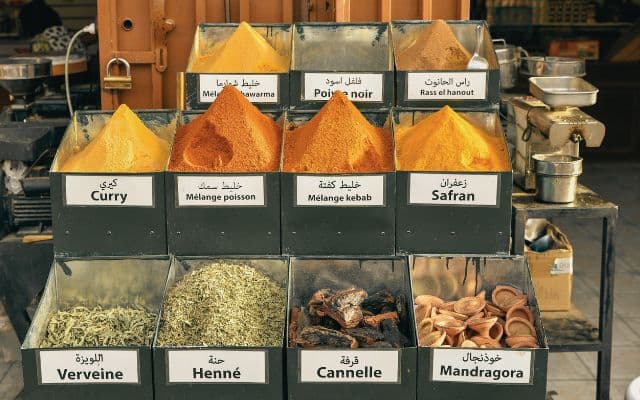
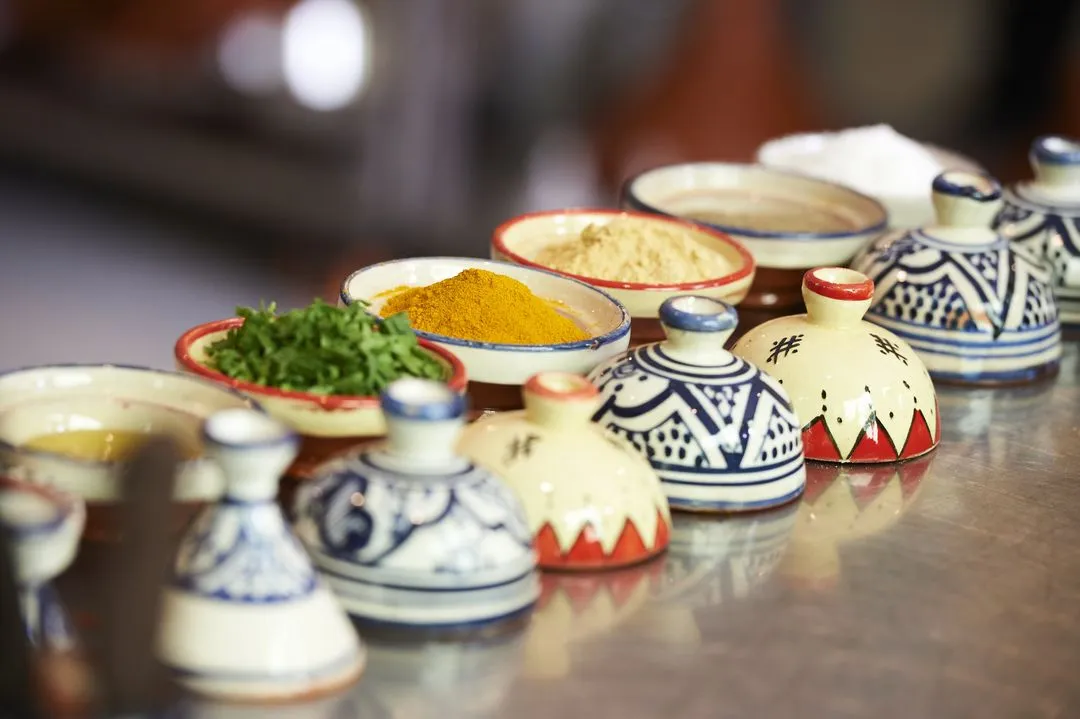
Some Moroccan spices are now celebrated around the world. The renowned Taliouine saffron, cultivated in southern Morocco, is prized for its exceptional quality and intense fragrance. The famous ras el hanout, whose name literally means “the head of the shop” or “the best of the store,” was once considered the most precious blend prepared by master spice merchants. Depending on tradition, it can contain dozens of different spices.

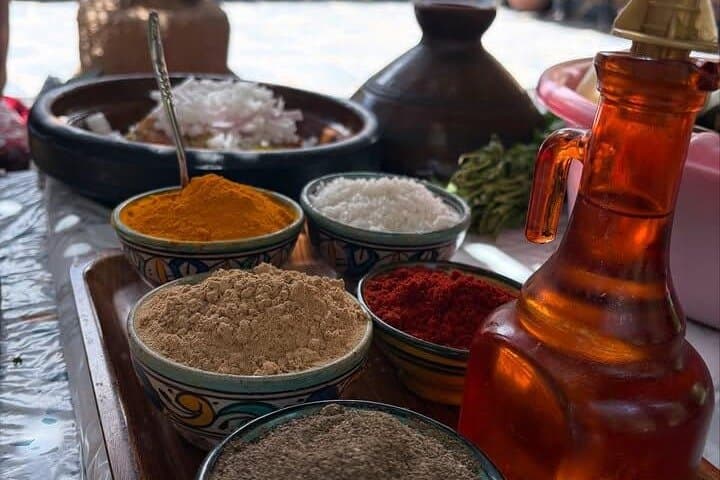
Ginger, turmeric, paprika, and anise also play an essential role in Moroccan gastronomy. In Marrakech, Fez, and Essaouira, the fragrances change from one street to the next, sometimes creating the feeling of discovering Morocco entirely through its scents.


Must see

The Colors and Fragrances of the Souk

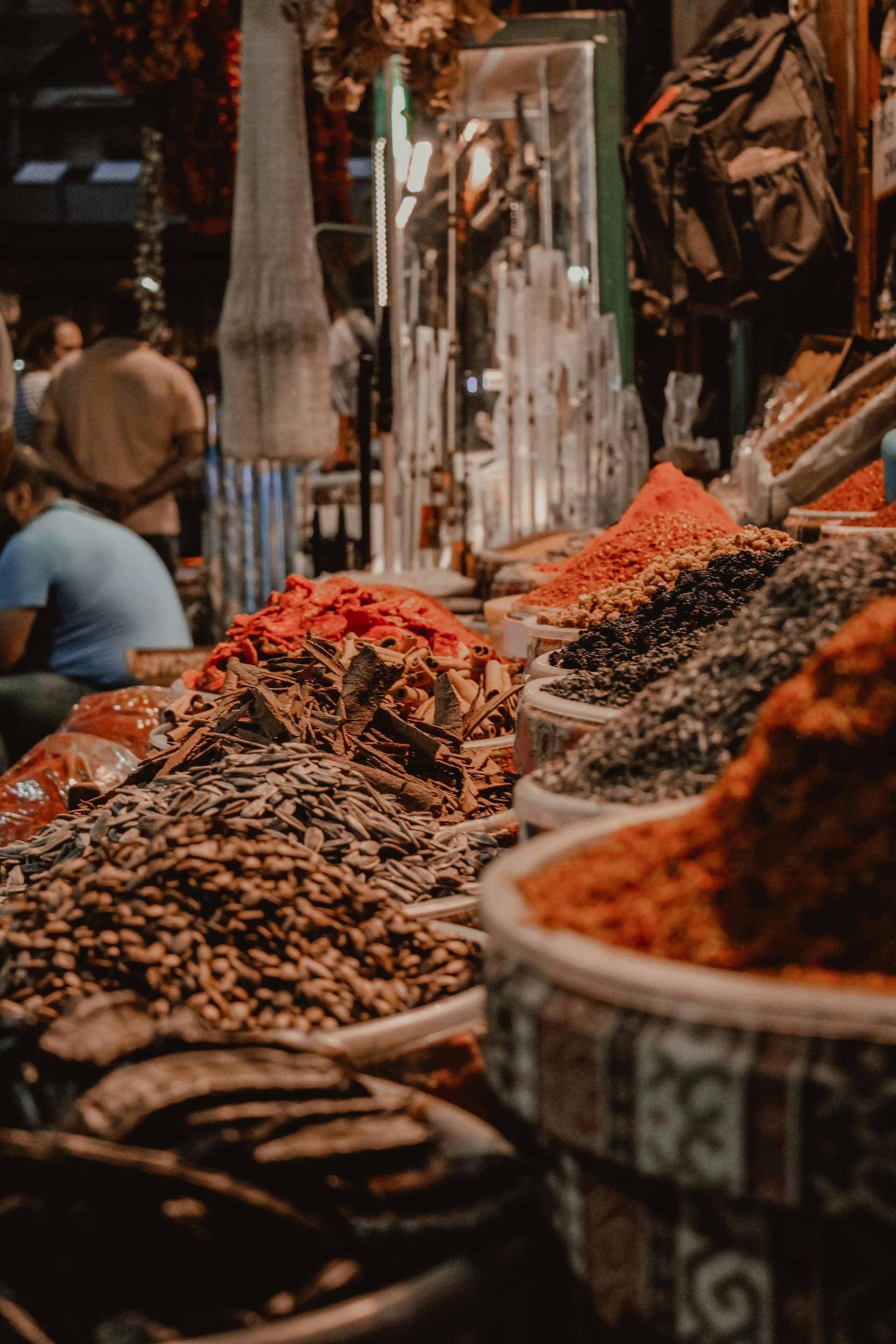
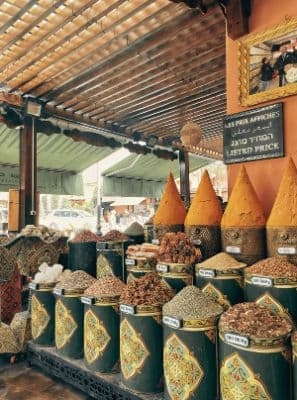
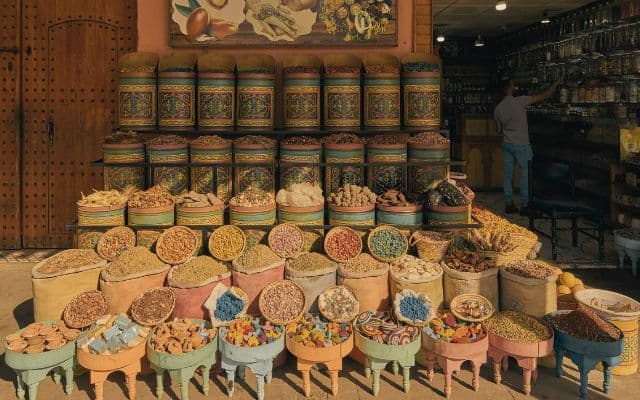
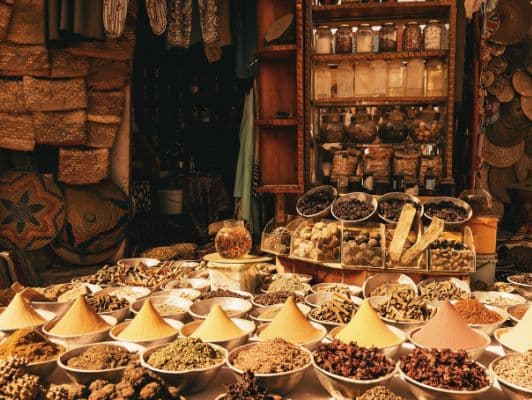
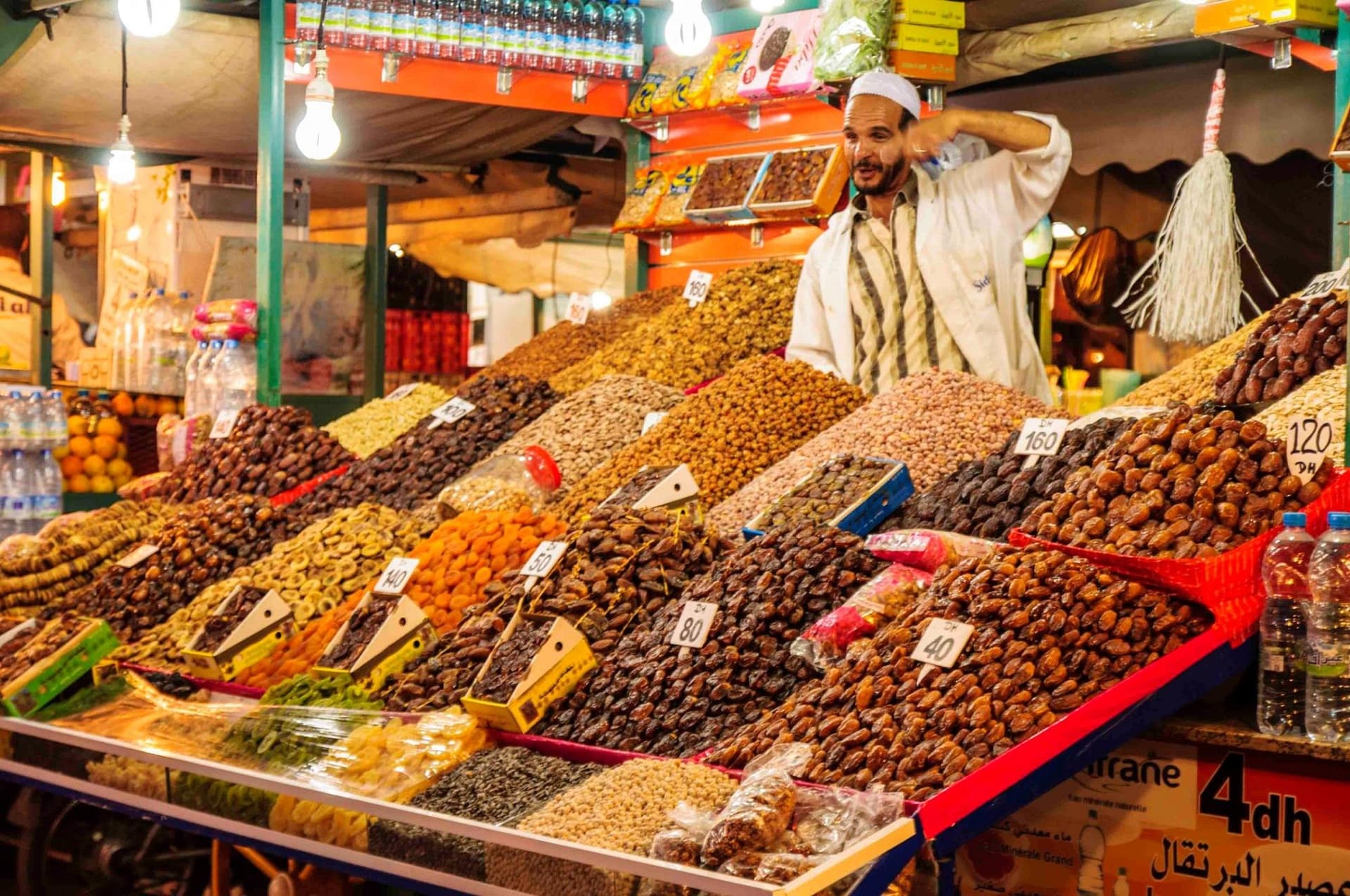
In the Moroccan souks, spices appear like vibrant landscapes of colour. Pyramids of saffron, deep red paprika, golden turmeric, and earthy cumin transform market stalls into living works of art bathed in light. Each market becomes a spectacle where colours, textures, and aromas immediately capture the attention.

In Marrakech, certain alleyways seem guided entirely by fragrance. Merchants fill bags of spices by hand while the scents of cinnamon, nutmeg, and orange blossom drift through the medina. In Fez, traditional herbalists reveal a more timeless atmosphere, where spice blends are still prepared according to recipes passed down through generations.

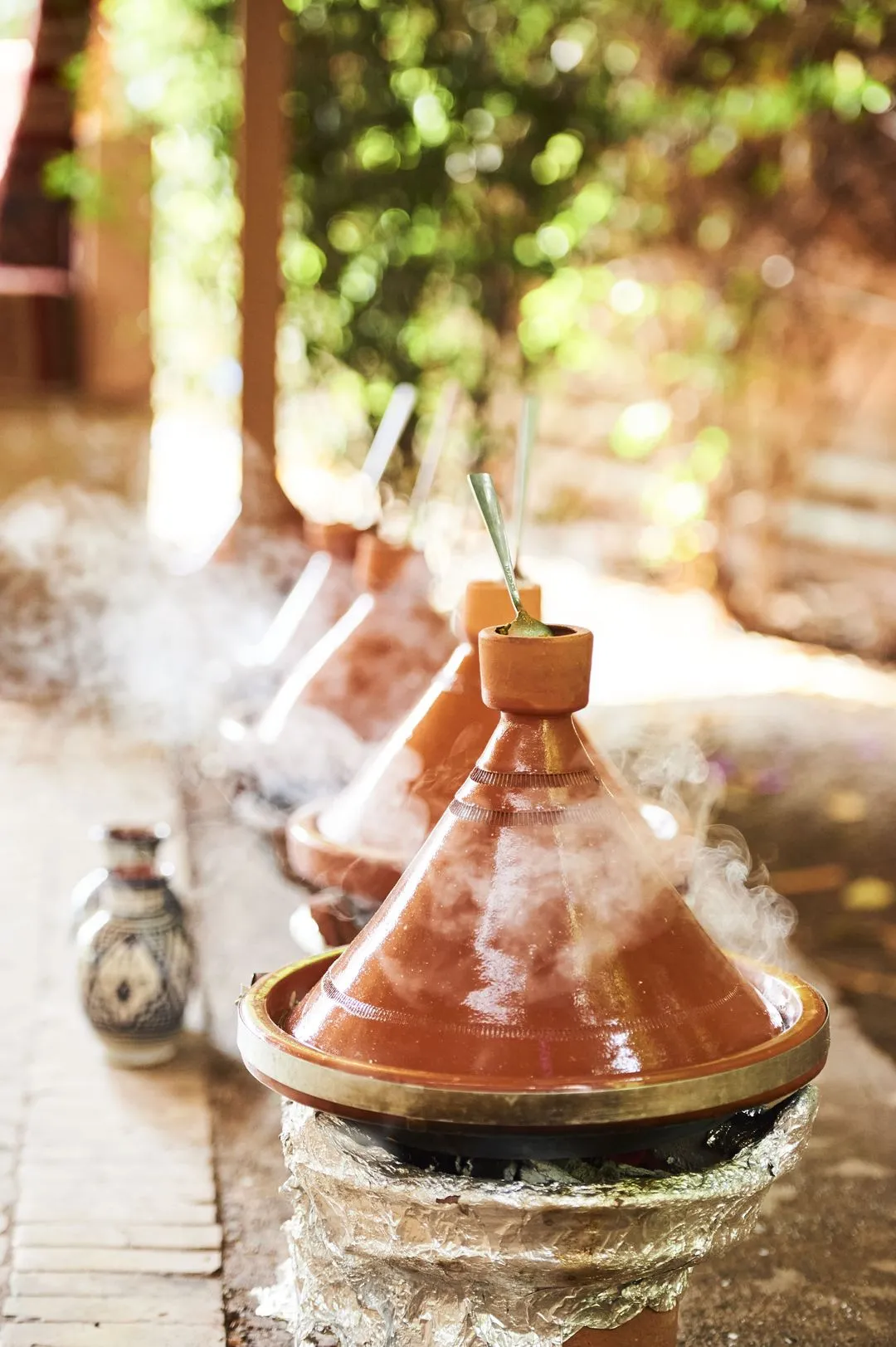
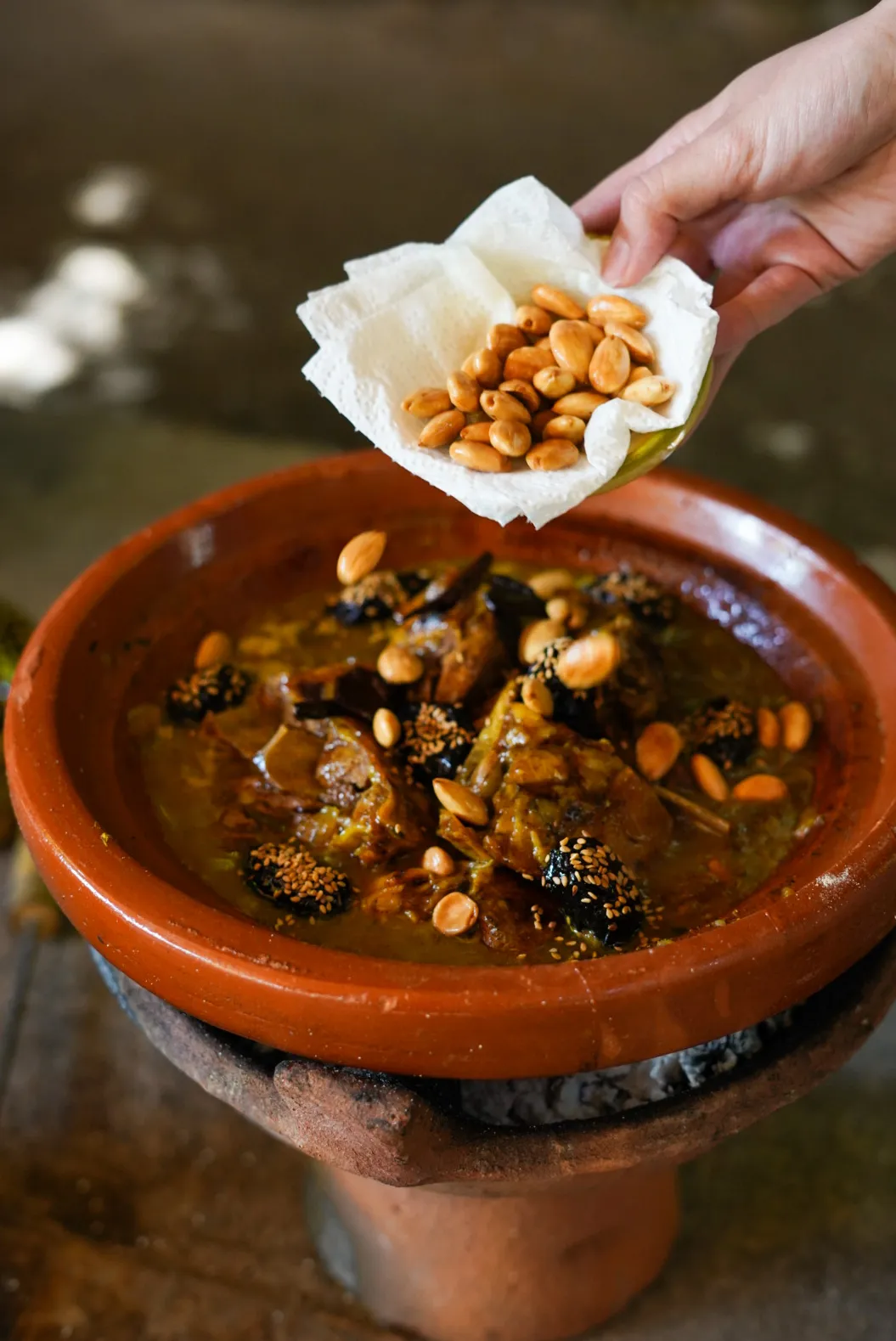
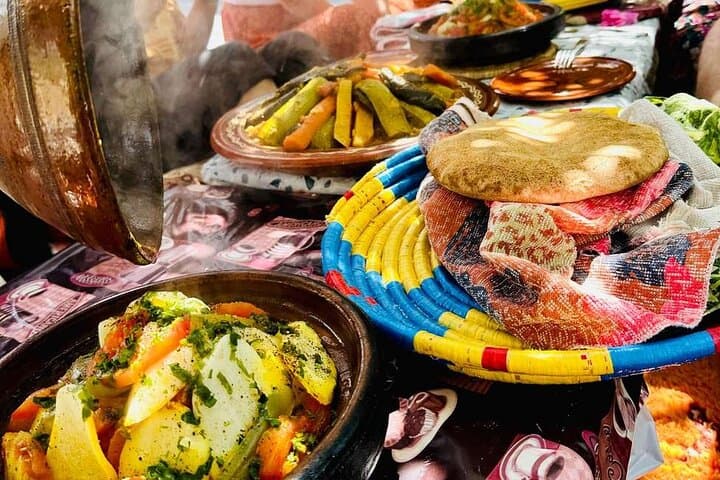
Further south, the region surrounding Taliouine unveils another side of Morocco through its saffron fields. As evening falls, the aromas of spices escape from kitchens and fill the terraces. The fragrance of a slowly simmering tagine often becomes one of the most memorable scents of the journey.

Discovering Moroccan Spices — photo 1
Discovering Moroccan Spices — photo 2
Discovering Moroccan Spices — photo 3
Discovering Moroccan Spices — photo 4
Must do

Creating Your Own Blend

Discovering Moroccan spices often begins with a stroll through the souks, where the aromas of cumin, cinnamon, and saffron accompany every step. Watching merchants prepare their blends, inhaling the fragrance of freshly ground spices, or tasting herbal teas made from local ingredients quickly transforms a simple visit into a truly sensory experience.

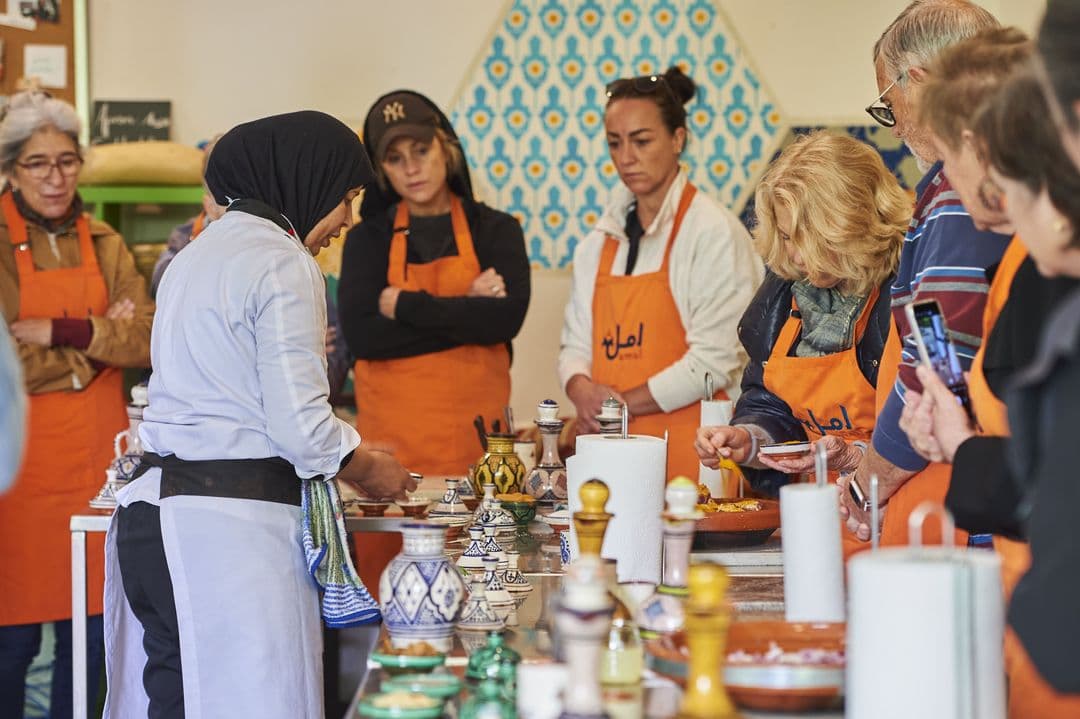
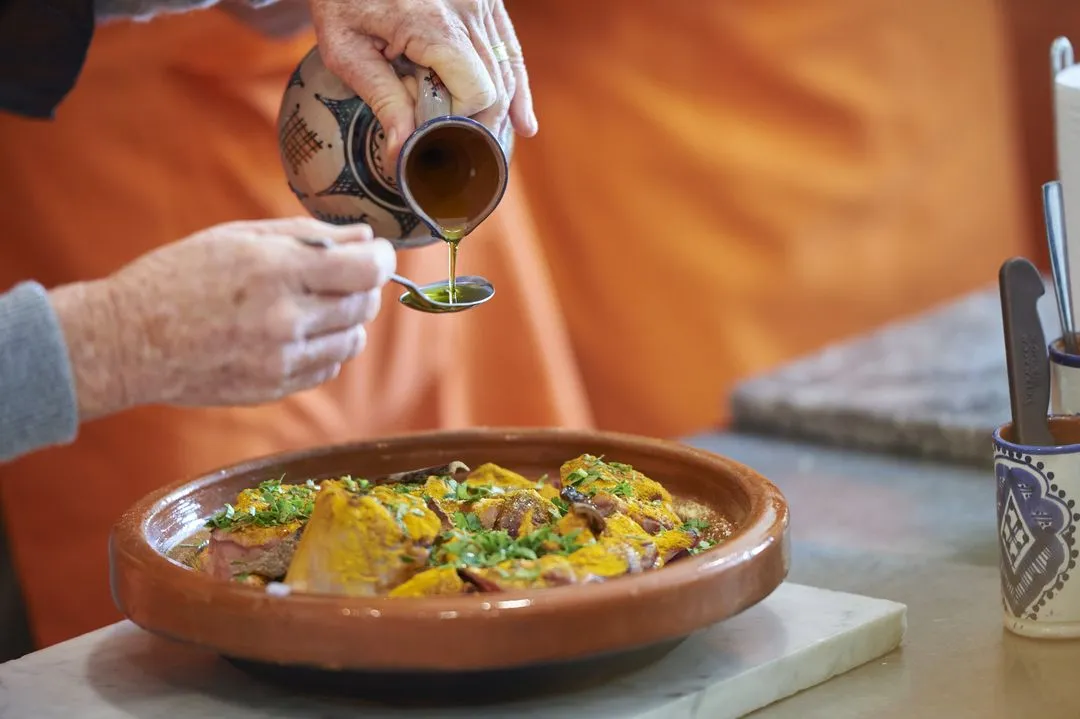
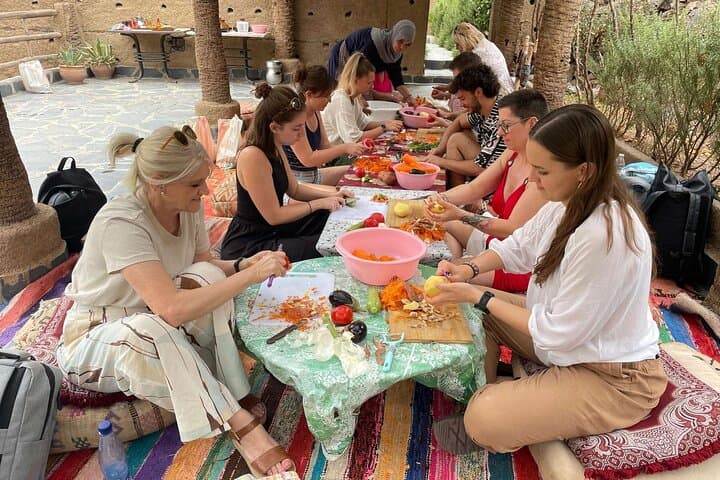
Some workshops offer the opportunity to go further by learning to identify Morocco’s most iconic spices and understand their culinary uses. Preparing a saffron tagine, discovering the secrets of ras el hanout, or creating a personalised spice blend provides an authentic immersion into the country’s culinary traditions. Each blend becomes unique, reflecting individual tastes and memories.

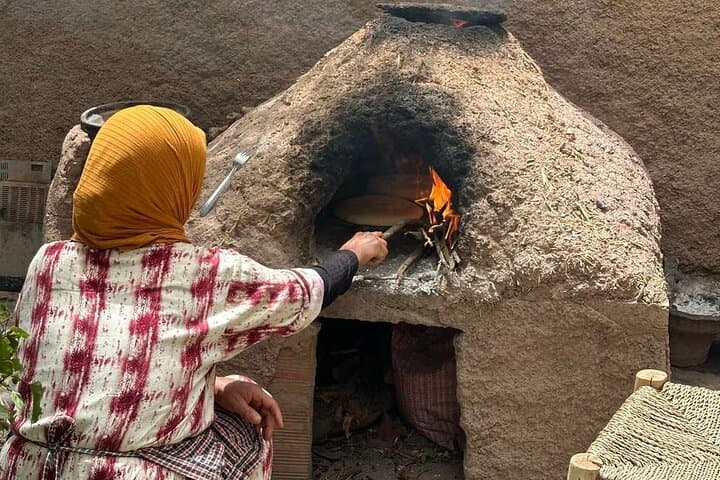
Tastings held in traditional riads and family homes extend the experience through recipes passed down from generation to generation. Then come the souvenirs: a pouch of saffron, the scent of cumin released when opening a suitcase, or the aroma of mint tea instantly recalling the streets of Marrakech. In Morocco, spices become far more than ingredients; they are a unique way to travel and experience the country.