Skip to content
The Soul of Moroccan Pottery
Craftsmanship

The Soul of Moroccan Pottery

June 20263 min read
Good to know

Earth shaped by time

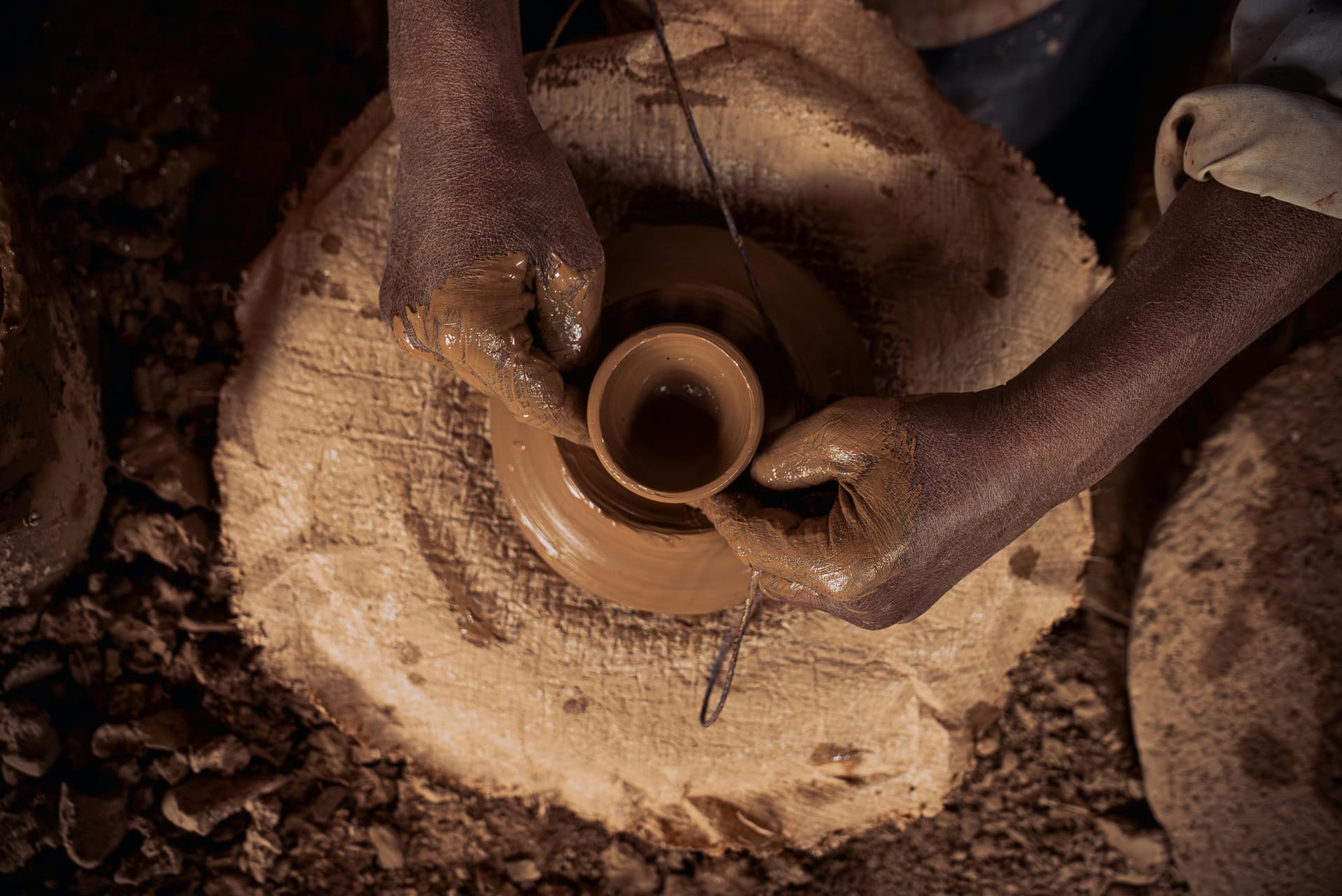
In Marrakech, pottery is one of the city’s oldest and most cherished crafts. For centuries, artisans have shaped clay with patience and precision, creating both everyday objects and decorative pieces of remarkable character. Each creation bears the mark of the hands that formed it, with subtle variations, unique details, and an authenticity that reflects the richness of Moroccan craftsmanship.

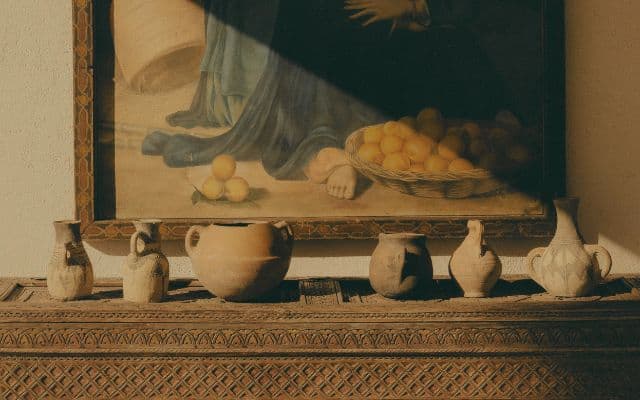
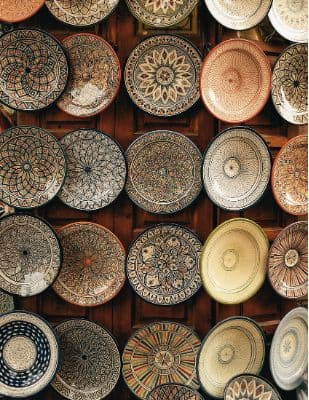
Rooted in Berber and Andalusian traditions, Moroccan pottery has long played an essential role in daily life. Shaped on a potter’s wheel and fired in traditional kilns, sometimes still fuelled by wood, these pieces reveal warm tones ranging from soft ochre to deep terracotta. Many are then adorned with patterns inspired by Morocco’s cultural heritage.

Here, clay becomes a truly living material. In the hands of skilled artisans, it is transformed through the rhythm of movement and fire into objects that are both functional and elegant, deeply connected to the history and identity of Marrakech.

Must see

What the earth reveals in Marrakech

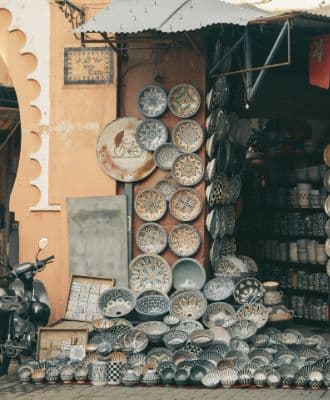
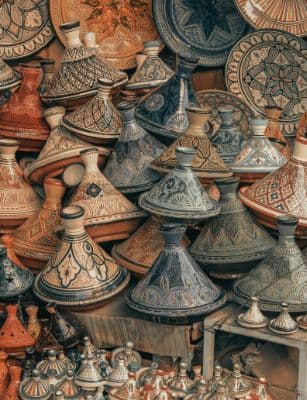
As you wander through the medina of Marrakech, pottery appears around every corner, displayed in small shops or carefully arranged outside workshops. Shelves are filled with tagines, plates, vases, and jars in natural tones, sometimes enhanced with hand-painted motifs. Behind their apparent simplicity, each piece reflects a unique style, a story, and the craftsmanship of the artisan who created it.

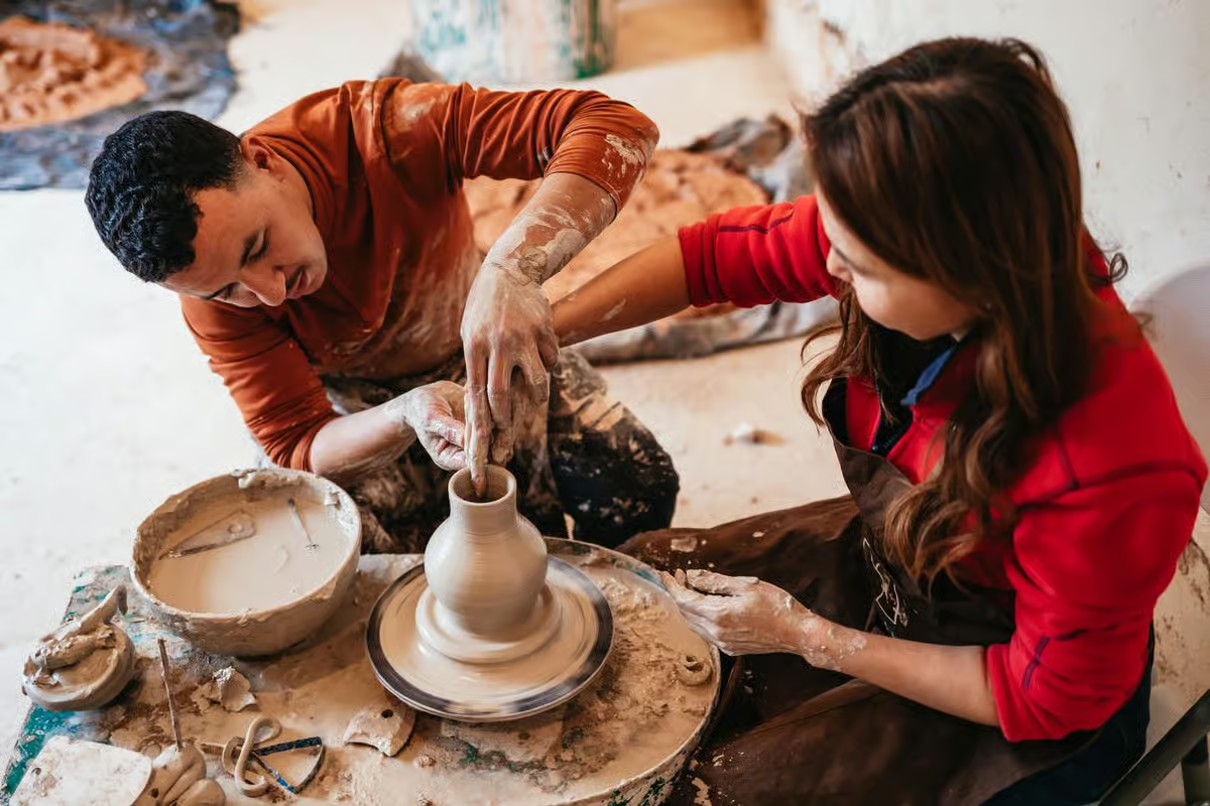
Venturing beyond the historic centre, districts such as Sidi Ghanem and workshops on the outskirts of the city reveal the behind-the-scenes world of this ancestral craft. Here, visitors can observe spinning wheels, clay-covered hands at work, and rows of pottery pieces drying beneath the Moroccan sun.

The atmosphere is often peaceful and almost meditative. Between the raw clay and the finished object, every stage of the process becomes visible. Watching this transformation offers a deeper understanding of the richness of Moroccan pottery and its enduring connection to the history and identity of Marrakech.


The Soul of Moroccan Pottery — photo 1
The Soul of Moroccan Pottery — photo 2
The Soul of Moroccan Pottery — photo 3
The Soul of Moroccan Pottery — photo 4
Must do

Shaping the material, feeling the gesture

As you explore the medina of Marrakech, pottery reveals itself around every corner, tucked inside small workshops or displayed along the souks. Shelves are lined with tagines, plates, jars, and vases in natural tones, sometimes enhanced with hand-painted patterns. The shapes may appear simple, yet each piece carries its own personality and reflects the skill and creativity of the artisan who crafted it.

Moving beyond the historic centre, areas such as Sidi Ghanem and workshops on the outskirts of the city reveal another side of this traditional craft. Visitors can discover the places where pottery is made, watch wheels spinning, observe clay-covered hands at work, and see rows of pieces carefully drying beneath the Moroccan sun.

The atmosphere is calm, almost meditative. Between the raw clay and the finished object, every stage of the process unfolds before your eyes. Witnessing this transformation offers a deeper appreciation of the richness of Moroccan pottery and the passion of the artisans who continue to preserve this ancestral art.