Skip to content
The Legacy of Leathercraft
Craftsmanship

The Legacy of Leathercraft

June 20263 min read
Good to know

A thousand-year tradition

In Marrakech, leather craftsmanship is one of the most iconic expressions of Morocco’s artisanal heritage. Wandering through the medina, it is easy to imagine the generations of artisans who have crafted bags, belts, slippers, and saddles using techniques passed down for centuries. The art of leatherworking, often associated with traditional tanning methods, reflects a heritage deeply rooted in the history and culture of Morocco.

The connection between Morocco and leather extends far beyond its borders. The word “maroquinerie”, now used around the world to describe fine leather goods, originates from the reputation of Moroccan leather once exported throughout Europe. Renowned for its softness, quality, and refined finishes, it remains one of the enduring symbols of the kingdom’s craftsmanship.

Here, leather is far more than a material. It is a true living heritage, passed down from one generation to the next. Every piece tells a story where tradition, creativity, and elegance come together, like a fragment of Marrakech that travellers can take home with them.

Must see

What awaits you in Marrakech

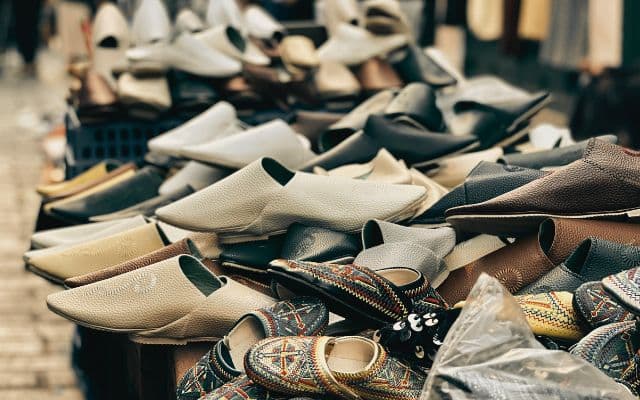
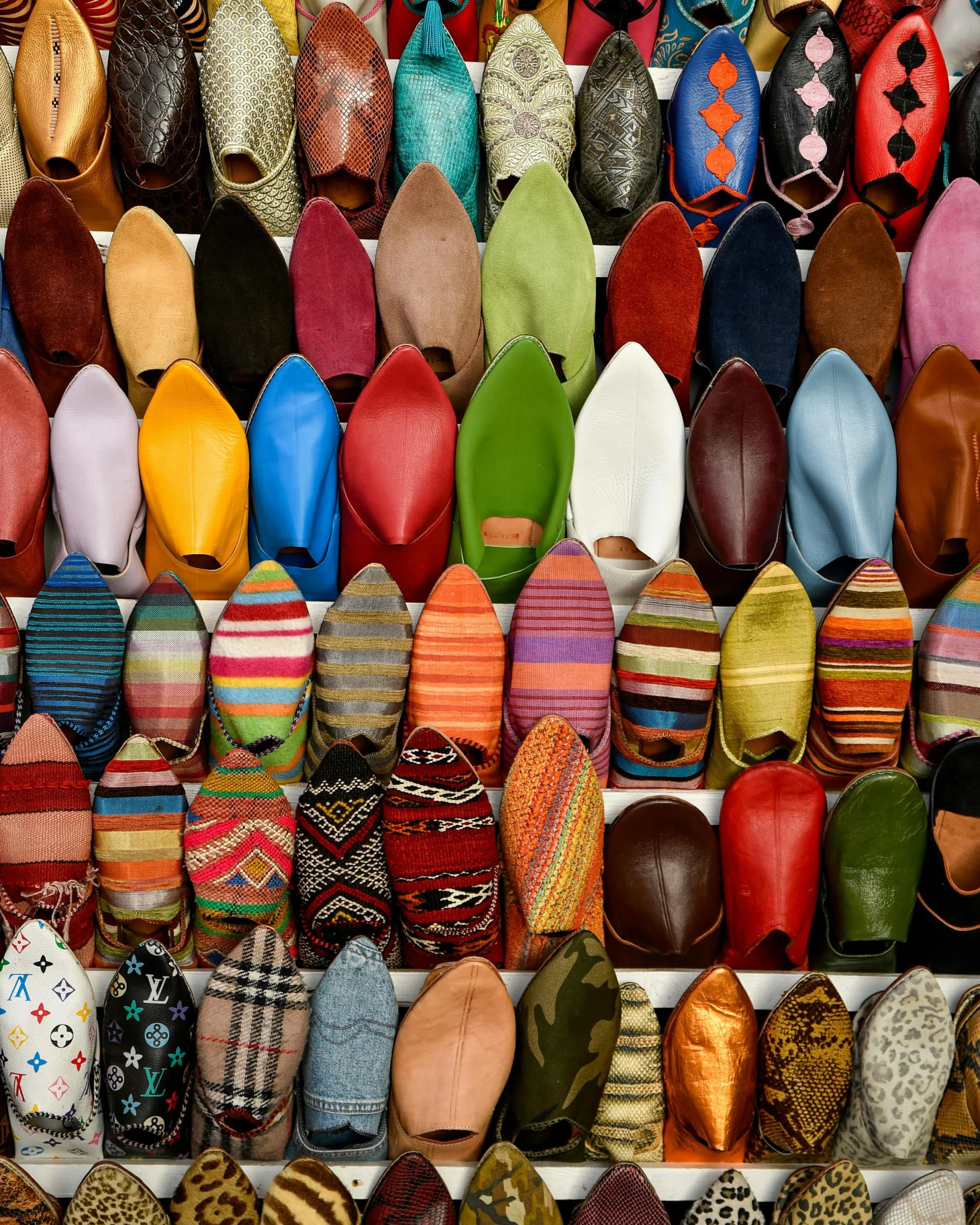
As you venture deeper into the medina of Marrakech, leather naturally guides your steps towards iconic locations such as Souk Smata, renowned for its traditional slippers, or Souk El Kebir, where bags, belts, and leather goods are displayed in a vibrant and captivating atmosphere. Stalls overflow with colour, supple leather pieces are stacked high, and artisans often work directly in front of visitors, preserving centuries-old craftsmanship.

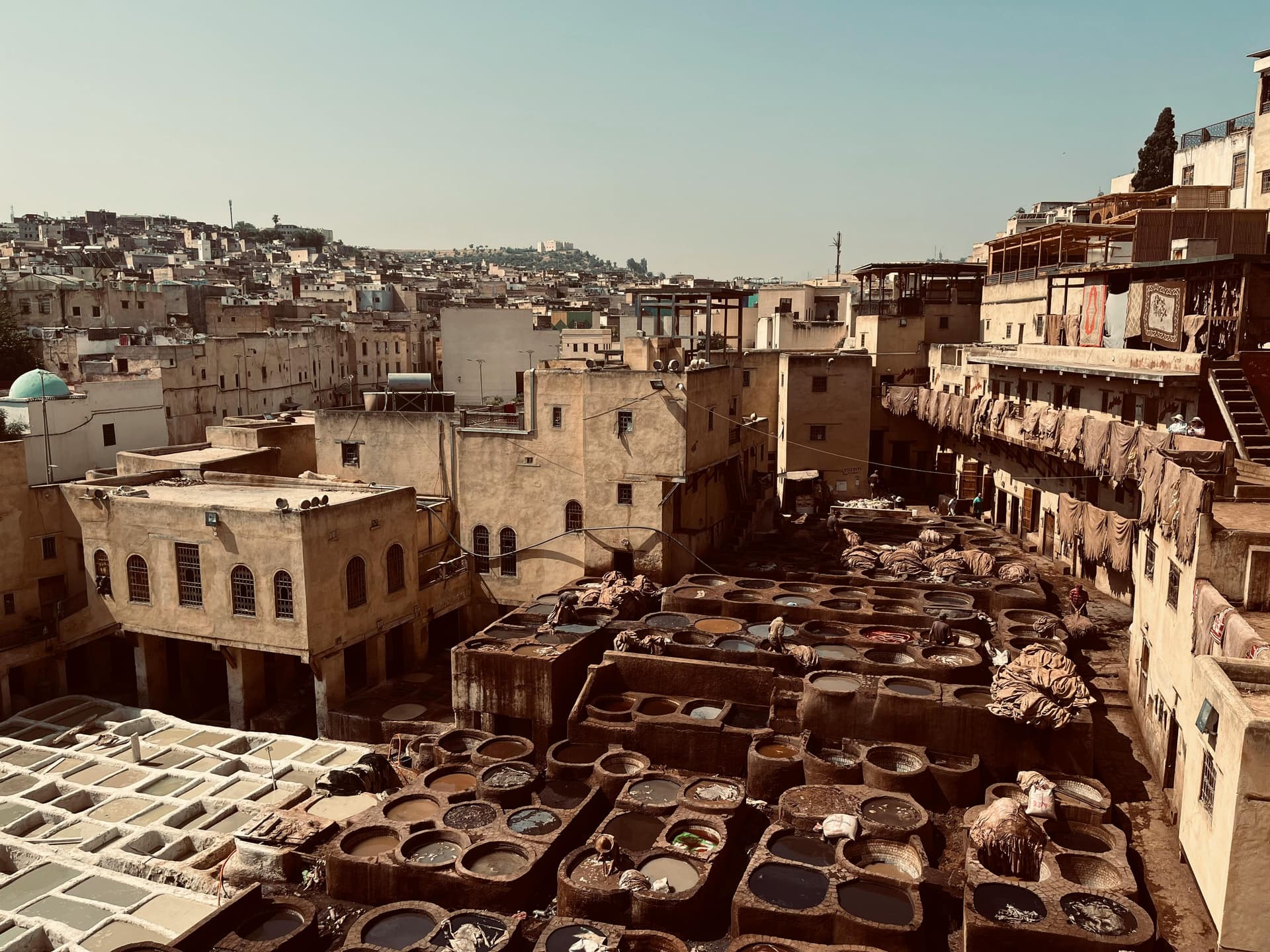
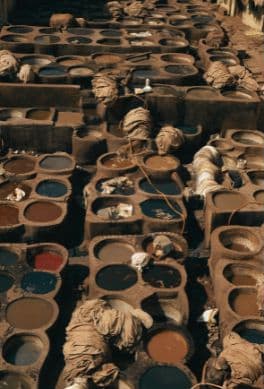
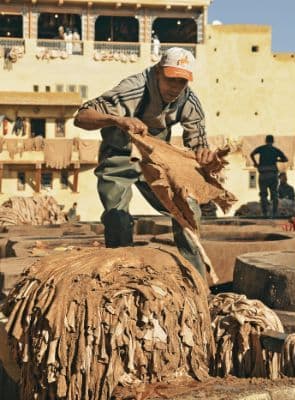
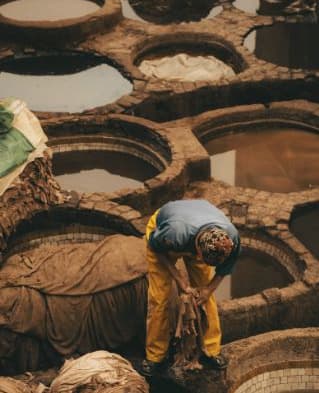
A little further away, in the district of Bab Debbagh, Marrakech’s historic tanneries reveal another side of this craft. Here, the atmosphere changes completely. Tanning vats, hides drying under the sun, and gestures repeated for generations offer a glimpse into a profession that has remained remarkably faithful to its traditions. Time seems to slow down as the raw material is transformed.

Between the bustling souks and the production workshops, Moroccan leather can be discovered in its purest form. From the treatment of the hides to the finished piece, every step tells a story where heritage, craftsmanship, and artisanal passion come together.


The Legacy of Leathercraft — photo 1
The Legacy of Leathercraft — photo 2
The Legacy of Leathercraft — photo 3
The Legacy of Leathercraft — photo 4
Must do

Learning at the heart of the workshops

Some discoveries are best observed, while others are meant to be fully experienced. In the world of Moroccan leather, everything begins with the material itself: raw, supple, or thick leather whose transformation is explained step by step by a skilled artisan. Understanding its origin, tanning process, and craftsmanship offers a completely new appreciation of the objects created from it.

For those wishing to explore further, certain workshops provide a genuine introduction to traditional leatherworking techniques. Alongside a master craftsman, visitors learn how to handle traditional tools, stitch leather by hand, assemble pieces, and follow the natural grain of the material. Every movement requires precision, patience, and attention to detail.

Other experiences offer a deeper immersion, from visiting the traditional tanneries to discovering the workshops where the finished pieces are created. Throughout the day, visitors gain a true understanding of this ancestral craft. More than a simple visit, it is an immersion into Moroccan craftsmanship, leaving a lasting appreciation for the skill of the artisan and the beauty of the material.