Skip to content
Journey Into the Heart of Moroccan Gastronomy
Gastronomy

Journey Into the Heart of Moroccan Gastronomy

June 20263 min read
Good to know

The Flavours of Morocco

Moroccan gastronomy is often regarded as one of the richest and most refined cuisines in the Arab world. Influenced by Berber, Arab, Andalusian, and African traditions, it masterfully combines spices, fresh herbs, sweet flavours, and savoury notes. From the very start of the day, tables are filled with msemen, baghrir pancakes, honey, olive oil, amlou, and the iconic Moroccan mint tea, a true symbol of the country's hospitality.

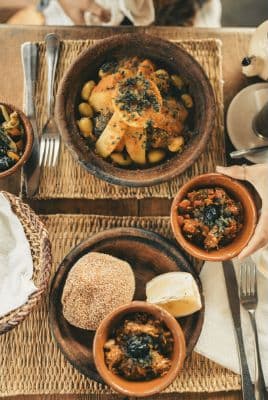
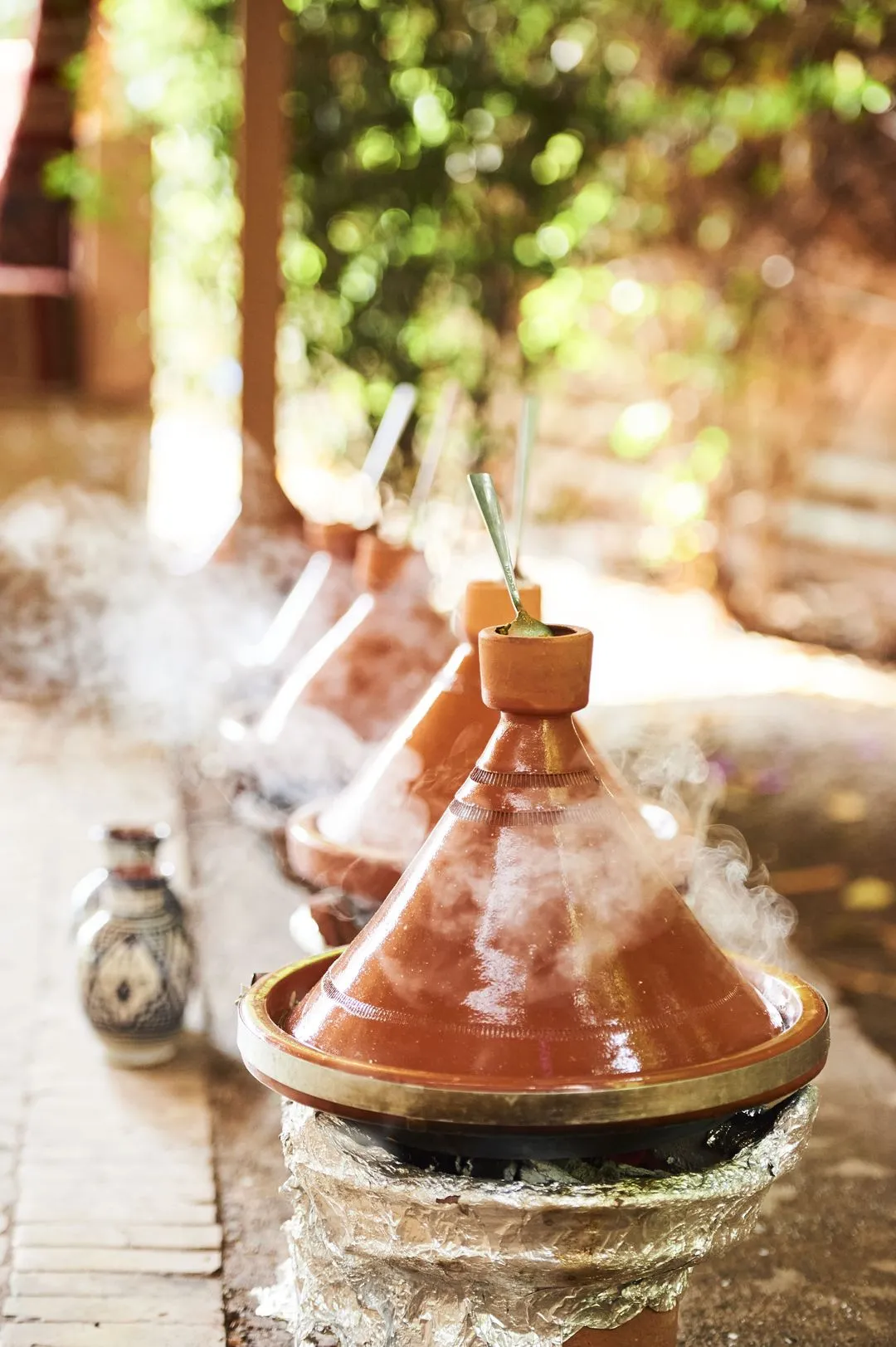
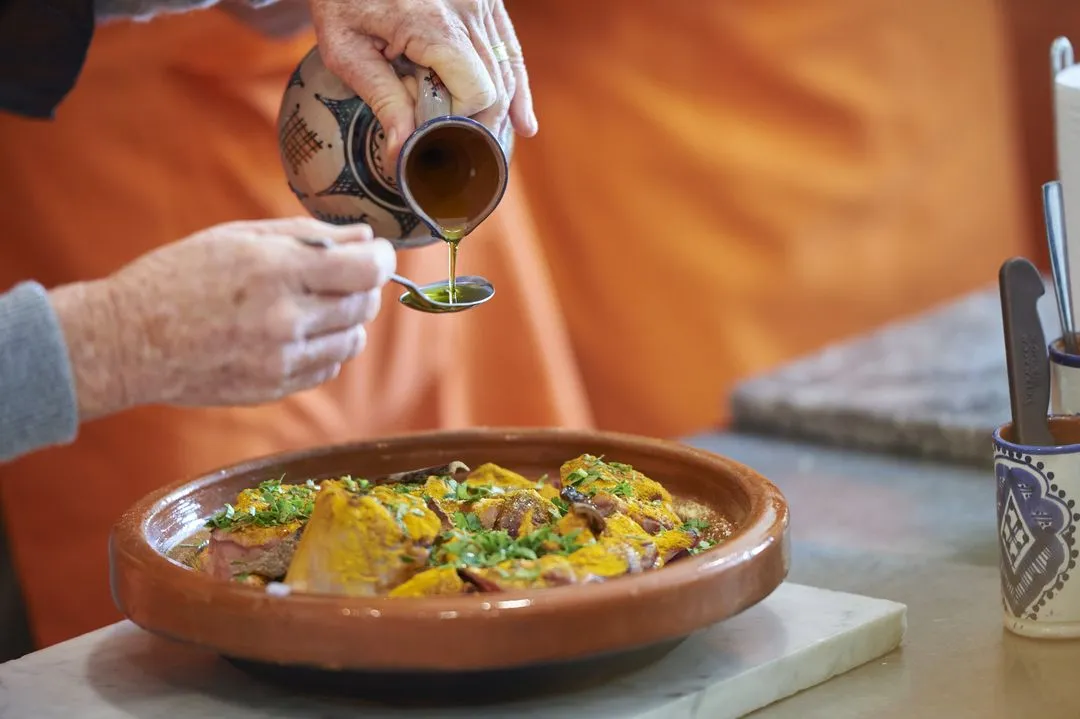
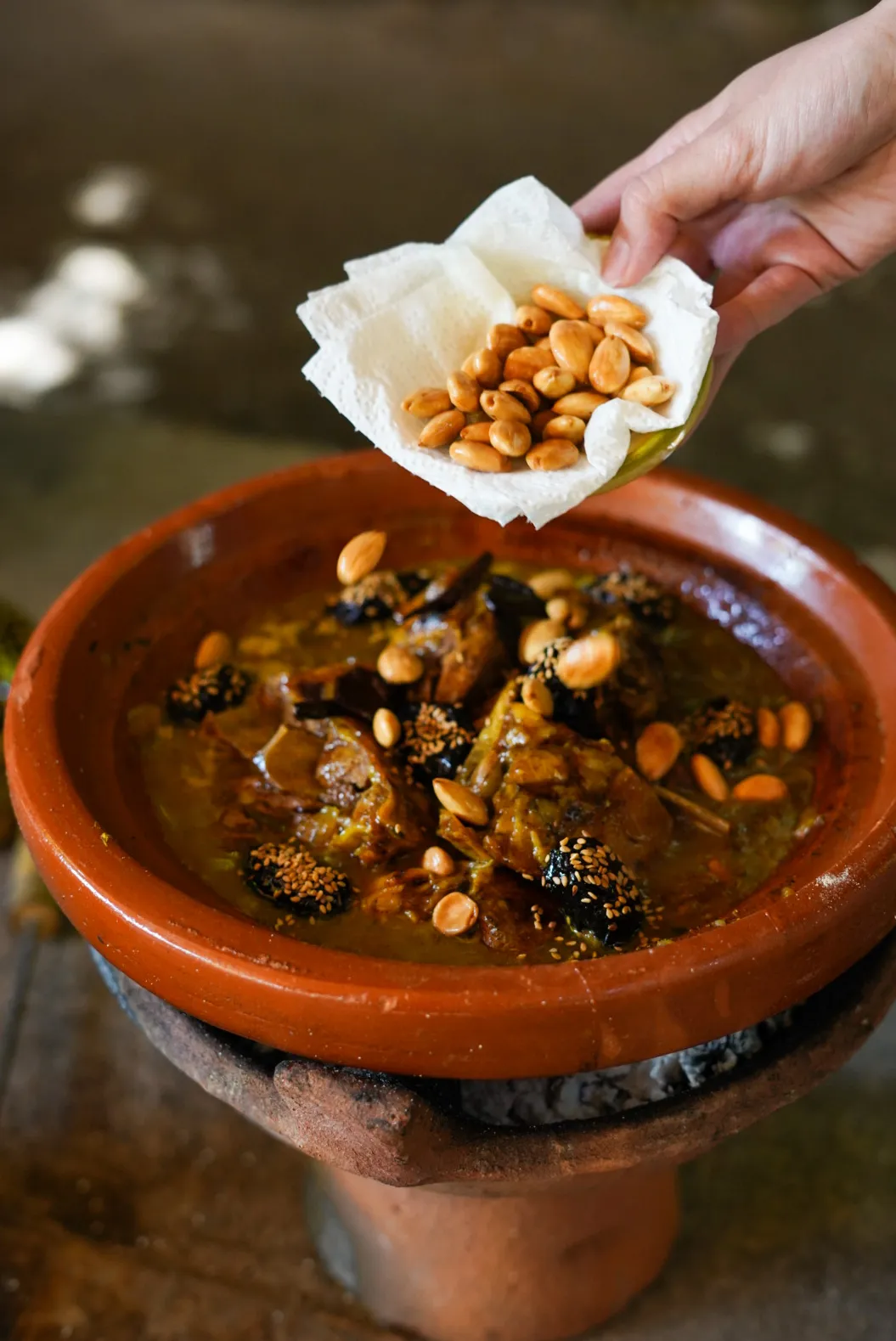
At lunchtime, the flavours take on a new dimension. The famous tagine, slowly simmered in its traditional clay pot, reveals the full richness of Moroccan spices. Combinations of meat, dried fruits, and almonds often surprise visitors. Meanwhile, couscous, traditionally shared with family on Fridays, remains one of the most emblematic dishes of the country.

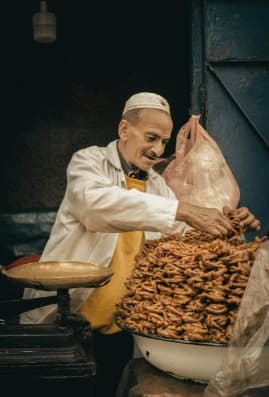
The journey continues through Morocco’s sweet delicacies. Gazelle horns, chebakia, almond briouates, and fekkas highlight the importance of honey, orange blossom, and dried fruits in Moroccan pastry-making. More than a cuisine, Moroccan gastronomy is a true invitation to travel, share, and experience the country's rich cultural heritage.


Must see

Between the Souks and Moroccan Tables.

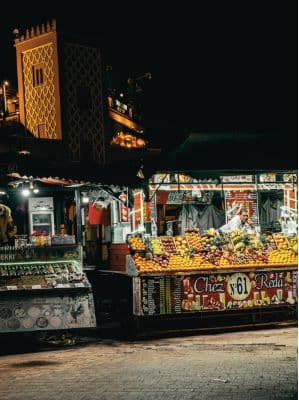
In Marrakech and Fez, the souks immediately awaken the senses. Market stalls overflow with marinated olives, dried fruits, colourful spices, and pastries still warm from the oven, delicately scented with cinnamon and orange blossom. Every alleyway seems to tell a new culinary story through its colours, aromas, and vibrant atmosphere.

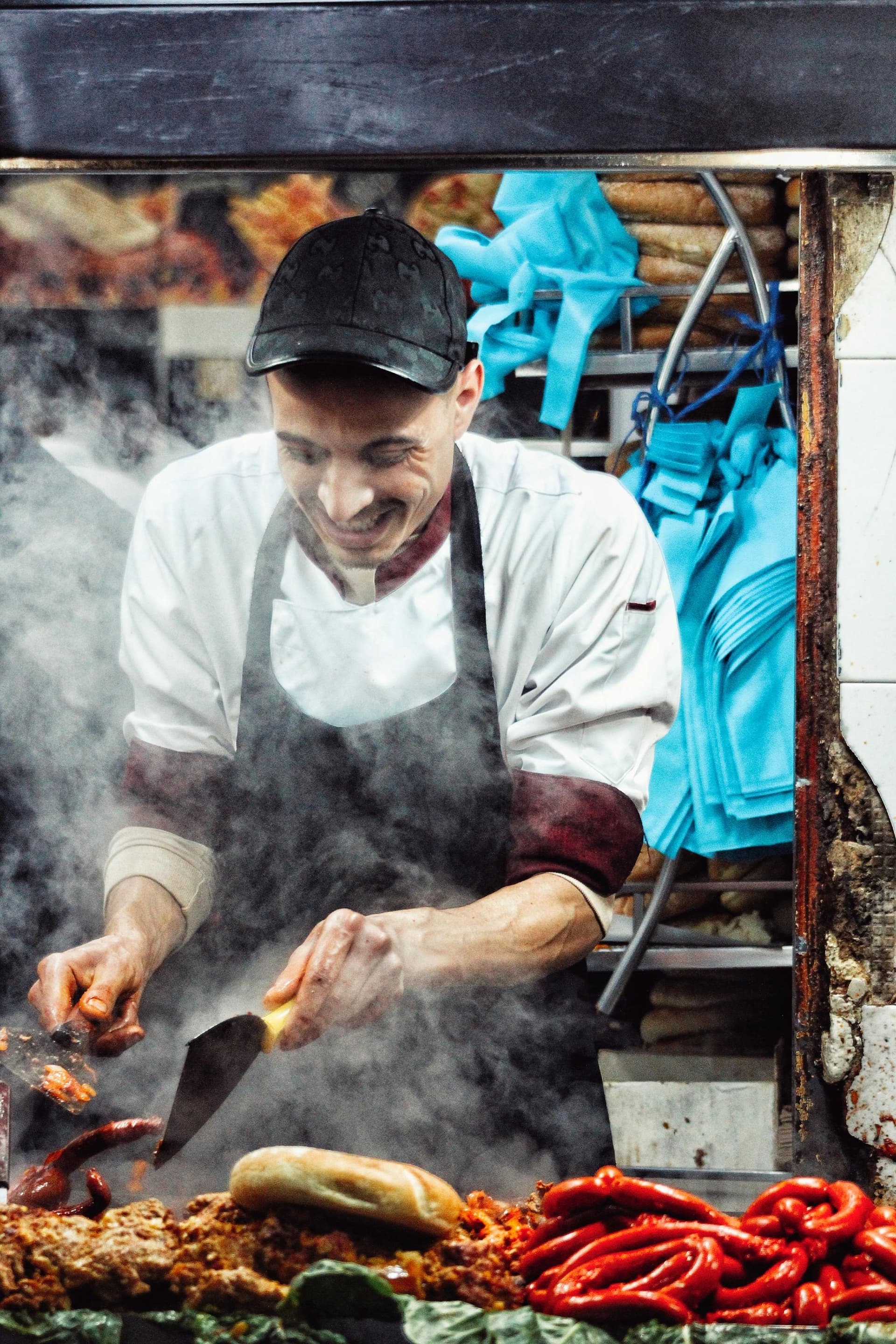
As you wander through the streets, the fragrances constantly evolve. A slowly simmering tagine, charcoal-grilled skewers, freshly baked bread emerging from traditional ovens, and msemen prepared before your eyes create a lively and authentic atmosphere. As evening falls, illuminated riads reveal a more elegant and intimate side of Moroccan gastronomy.

Across the country, each region showcases its own specialities. The coastline celebrates fresh seafood and fish, the south reveals bolder and spicier flavours, while the Atlas Mountains highlight a cuisine that is both authentic and generous. Even Moroccan pastries become a spectacle, displayed like true works of art in traditional shop windows.

Journey Into the Heart of Moroccan Gastronomy — photo 1
Journey Into the Heart of Moroccan Gastronomy — photo 2
Journey Into the Heart of Moroccan Gastronomy — photo 3
Journey Into the Heart of Moroccan Gastronomy — photo 4
Must do

Experience Morocco Through Its Flavours

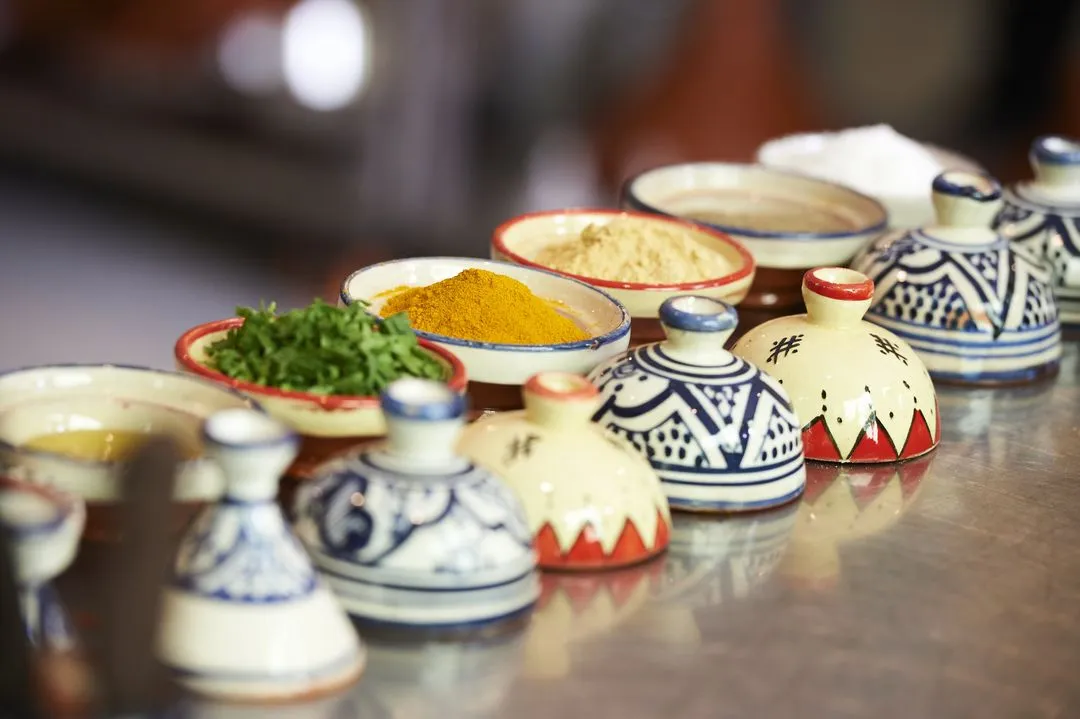
Discovering Moroccan gastronomy often begins early in the morning, around a steaming glass of mint tea served with msemen, baghrir pancakes, and fragrant honey. Local markets then invite visitors to explore the ingredients that define the country's cuisine: freshly ground spices, olives, dates, almonds, aromatic herbs, and flavoured oils. Many travellers enjoy selecting their own ingredients and creating personalised spice blends to take home.

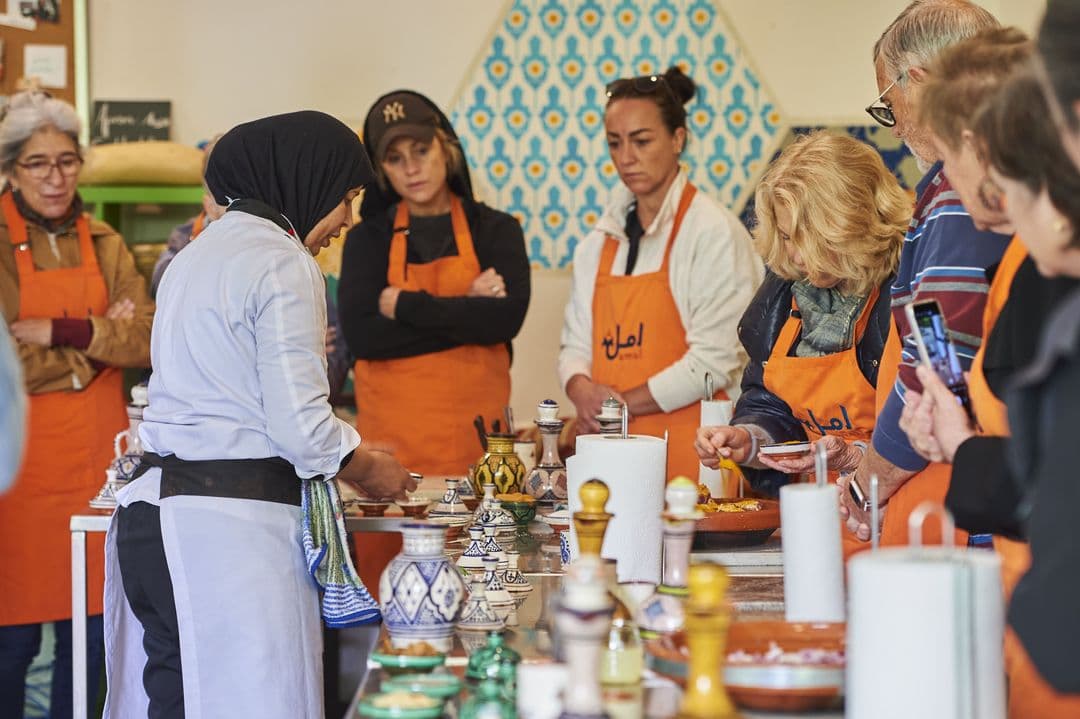
Taking part in a Moroccan cooking workshop is one of the most rewarding ways to understand the local culture. Learning how to prepare a tagine, roll couscous semolina by hand, or master the delicate balance of spices transforms a simple meal into a meaningful cultural and human experience.

As evening falls, long Moroccan tables become an invitation to share. Tasting dishes that combine sweet and savoury flavours, enjoying honey-filled pastries, and ending the meal with mint tea are all part of the journey. More than a cuisine, Morocco offers a true lesson in generosity, tradition, and hospitality.